
Ghost in the Playlist
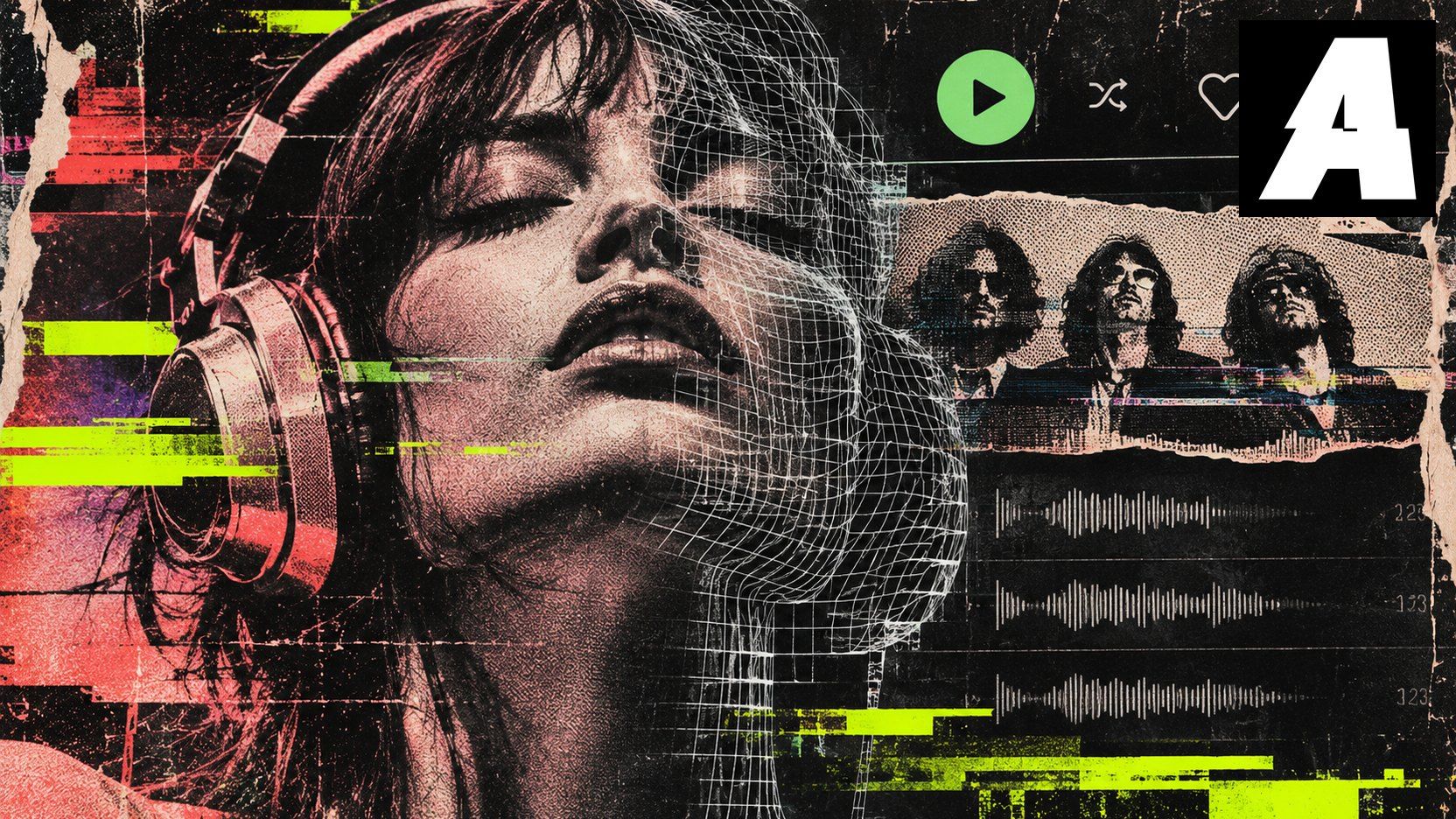
An AI-generated band racked up a million streams on Spotify before admitting it didn't exist. The real scandal isn't the software—it's what listeners are willing to settle for.
By Austin Dodger | Sun, Nov 15, 2026
Put on “Dust on the Wind” by The Velvet Sundown through a pair of flat studio monitors and strip away the viral headlines. What hits the room isn’t a technological marvel or an uncanny threat to human artistry. It is three minutes of mid-tempo, soft-focus nostalgia engineered to offend nobody—polite retro-synth pads, compressed acoustic strumming, and a vocal line sanded down until every breath intake and throat imperfection disappears into statistical symmetry.
Last year, that synthetic project—complete with AI-rendered band photos, fabricated lore, and two full albums—crossed a million plays on Spotify before its creators admitted the entire outfit was generated by artificial intelligence. Predictably, music industry executives and trade bodies immediately demanded warning labels, warning that listeners deserve to know whether human hands touched the instruments.
They are asking for a nutrition label on tap water.
The obsession with flagging AI bands misses the actual structural rot in the modern music business. For over a decade, streaming algorithms and mood-based playlists have trained audiences to consume music as ambient wallpaper—something to keep running in the background while answering emails or driving to work. When a platform rewards passive, frictionless listening over confrontation, it shouldn’t surprise anyone when a statistical average built from ten thousand existing indie-rock records slips past a million ears undetected. If you build an ecosystem that treats songs like disposable utility, a machine will eventually manufacture that utility cheaper and faster than a human ever could.
In the early eighties, when Einstürzende Neubauten dragged contact microphones onto steel bridges and hammered on scrap metal in West Berlin, nobody needed a warning label to tell them something alive and dangerous was happening in the speakers. When Trent Reznor locked himself in a studio with a broken sampler and a rigid set of self-imposed constraints to build The Downward Spiral, the tension came from human vulnerability colliding head-on with cold, unforgiving machinery. The distortion only mattered because there was a real, unvarnished nerve exposed underneath it.
Generative bands like The Velvet Sundown operate on the exact opposite principle. There is no vulnerability, no constraint, and no risk of failure—only an infinite assembly line of pre-digested aesthetics pulled off a digital shelf. Calling for mandatory disclosure tags won’t save human musicians, because a listener who can’t tell the difference between a manufactured prompt and a band bleeding in a rehearsal room has already stopped actively listening.
The machine didn’t trick the audience; it simply exposed how hollow our background-music habits have become. You don’t beat synthetic wallpaper by slapping a disclaimer on the cover—you beat it by constructing sound so raw, specific, and uncompromising that no algorithm would ever dare recommend it.
AdSense/Ad Spot Placeholder